
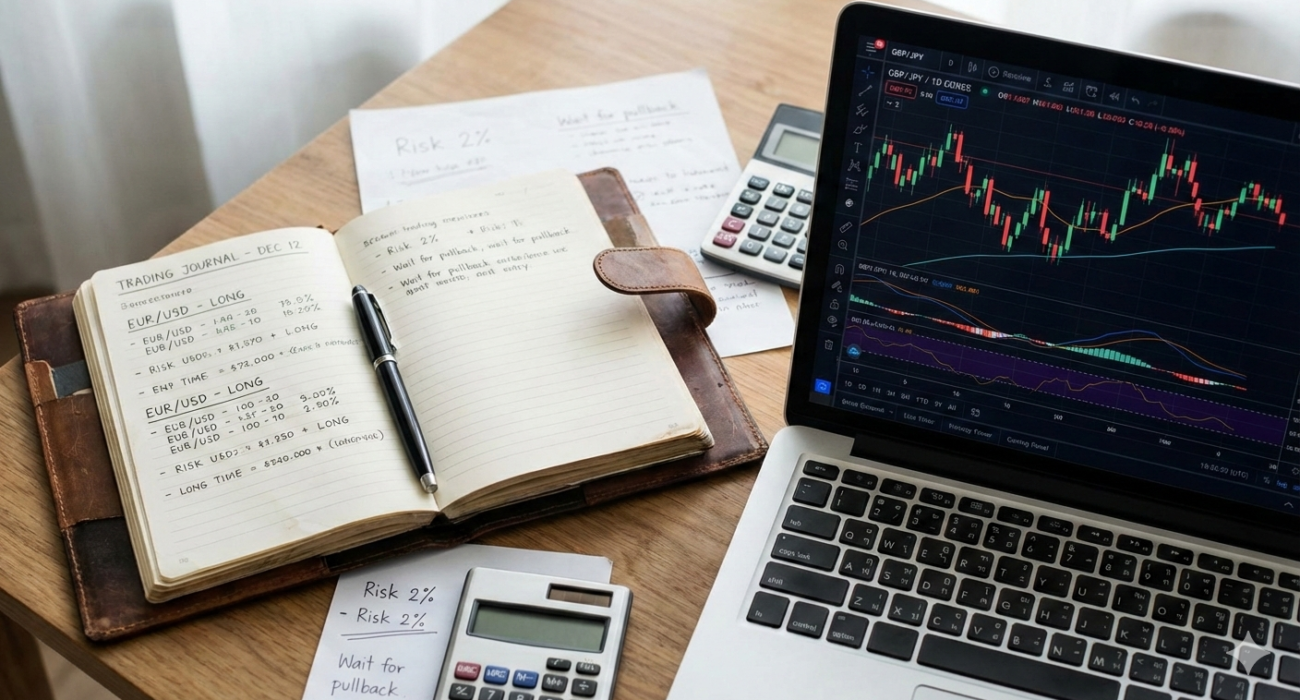
Online trading has become more accessible than ever, giving both beginners and experienced traders the opportunity to participate in global markets. However, accessibility alone does not guarantee consistent success. Whether you are just starting with cash trading or already have market experience, building long-term confidence in an online trading venture requires structured learning, regular practice, and disciplined decision-making. At Press Ranker, we focus on sharing research-driven insights and practical habits that help traders improve decision-making over time. Here are six essential steps to help you trade more effectively and make smarter choices in your online trading venture.
Is online trading venture safe for beginners?
For beginners, an online trading venture often looks safer than it actually is. The biggest risk comes from misunderstanding how markets work. Many new traders enter with the belief that short-term profits are easy, especially after watching success stories on social media. In reality, trading involves volatility, emotional pressure, and real financial exposure. Beginners usually lack risk management skills, such as position sizing and stop-loss discipline, which leads to quick losses.
Another concern is leverage, which can amplify both gains and losses. Without experience, leverage often works against new traders. Safety in trading does not come from platforms or tools alone; it comes from education, patience, and realistic expectations. For beginners, treating trading as a learning process rather than a fast-income source is the only way to reduce long-term risk.
1. Strategize, Examine, and Keep a Trading Journal
One common mistake novice traders make is neglecting the importance of strategy and record-keeping. Expert traders often do three key things that beginners overlook: they design a trading system, monitor the markets carefully, and maintain a detailed journal of their trades.
Using Forex charts and market analysis tools allows you to track price movements and key technical levels that affect your trades. Keeping a journal helps you identify what strategies work for you and which ones do not. Over time, a well‑maintained journal becomes an invaluable guide, helping you refine your approach and avoid repeating mistakes. Consistent review of past trades is one of the most practical ways to strengthen your confidence in any online trading venture, especially when supported by a reliable press release distribution service that elevates your market presence and credibility.
2. Learn to Manage Risk
Risk management is fundamental in trading. A limit order allows your trading system to exit a position once your target profit has been reached. This helps secure gains on successful trades. Conversely, a stop-loss order instructs the system to exit a trade when your maximum loss threshold is reached, protecting your capital from unexpected market swings.
By controlling losses and setting clear profit targets, traders create a disciplined approach that minimizes emotional decisions. Effective risk management is a hallmark of professional traders and is essential for building confidence in an online trading venture.
3. Choose Your Trading Approach
Traders typically rely on two primary methods to analyze the Forex market: technical analysis and fundamental analysis. Understanding how to apply these approaches is critical to making informed trading decisions.
-
Technical Analysis: This focuses on price patterns using historical market data to forecast future price movements. Charts, trend lines, and recurring patterns allow traders to spot opportunities early. In a disciplined online trading venture, observing these trends consistently is key to sustainable success.
-
Fundamental Analysis: This examines underlying economic indicators, such as interest rates, inflation, and monetary policy, to determine currency value. For instance, a central bank’s decision to raise or lower interest rates can significantly impact currency prices. Traders who combine technical insights with fundamental understanding are better positioned to navigate market volatility.
4. Develop Technical Analysis Charts
A crucial part of a trading strategy is creating charts that reflect historical market behavior. Technical analysis allows traders to monitor multiple currency pairs simultaneously and compare how other traders react to market changes. Because many traders follow similar patterns, the signals generated from these charts tend to be reliable and self-reinforcing.
Common tools in technical analysis include support and resistance levels:
-
Support: The price floor that prevents a currency from falling further
-
Resistance: The price ceiling that limits upward movement
By observing these levels consistently, traders in an online trading venture can anticipate potential reversals or breakout opportunities, improving their ability to make informed trading decisions.
5. Avoid Emotional Trading
Trading is inherently emotional, and maintaining objectivity can be challenging once real money is involved. Before entering a trade, analysis may feel logical, but emotions can take control during an online trading venture once capital is committed. Traders often interpret signals to support their existing bias, ignoring new market information that contradicts their initial judgment.
This behavior can lead to poor decision-making, especially during losing streaks. Staying disciplined, following a predetermined plan, and setting clear rules for entry and exit are critical to managing emotions effectively.
6. Limit Overtrading
New traders frequently make the mistake of overtrading. While examining charts and placing trades carefully is necessary, overtrading can result in leaving positions at the wrong time and losing capital unnecessarily. A reliable rule of thumb is to trade with 1–10% of your account per trade and avoid exceeding this limit.
Limiting risk and practicing restraint ensures that each trade is deliberate and calculated. For more on why overtrading can be detrimental, check out this risk management guide at TradingForex.
Why Discipline and Practice Matter
Building confidence in an online trading venture is not about shortcuts or luck. It is about cultivating habits that enhance your decision-making ability and strengthen your understanding of market dynamics. By following structured strategies, managing risk, and maintaining emotional control, traders can gradually improve their consistency and performance. Many people explore financial opportunities online without proper understanding because beginners often misunderstand the risks involved in complex digital markets.
At Press Ranker, we emphasize the value of practical, research‑driven insights. Regular practice, careful record‑keeping, and strategic risk management are the cornerstones of successful online trading. Over time, these habits help traders navigate volatility with confidence and make decisions based on analysis rather than impulse — insights you can explore further through our team’s expertise.
Final Thoughts
An online trading venture can offer substantial rewards, but long‑term success requires more than just access to trading platforms. Structured learning, disciplined risk management, and consistent practice are essential. By following these six practical steps, traders can enhance their skills, improve decision‑making, and build lasting confidence in the markets, as illustrated in our case studies of real trader experiences and results.
Whether you are a beginner or an experienced trader, incorporating these habits into your routine can help you achieve consistent results and minimize avoidable losses. Remember, successful trading is a journey, and structured, research-backed habits are your best guide.
FAQ: Online Trading Ventures
What is an online trading venture?
An online trading venture refers to participating in financial markets through digital platforms that allow users to buy and sell assets such as stocks, commodities, currencies, or crypto-based instruments. The structure and risk profile vary depending on the market and platform used.
Is online trading suitable for beginners?
Online trading platforms are accessible to beginners, but accessibility does not reduce risk. New participants often underestimate volatility, fees, and emotional decision-making, which can affect outcomes.
Why do online trading results vary so widely?
Results differ due to factors such as market conditions, timing, platform rules, liquidity, and individual decision-making. Short-term movements can be unpredictable, especially in high-volatility markets.
Can online trading be automated?
Some platforms support automated or algorithm-based trading. However, automation does not remove risk and still depends on strategy design, market behavior, and execution accuracy.
Regulation and Risk Context
Online trading operates within different regulatory frameworks depending on the country and asset class involved. Some markets are tightly regulated, while others function with limited oversight. Regulations may affect investor protections, dispute resolution, and transparency requirements. Market volatility, platform reliability, and liquidity constraints can influence outcomes. This content is intended to explain general concepts and does not promote or recommend participation in any specific trading activity.
Real-World Use Cases and Common Mistakes
In practice, many individuals start online trading with small amounts to understand platform mechanics, order types, and market behavior. Over time, usage patterns often change as participants recognize how fees, slippage, and timing affect performance.
Common mistakes include relying on short-term price movements, ignoring transaction costs, and assuming consistent returns. Another frequent issue is overexposure—placing too much capital into a single market or trade without fully understanding downside scenarios. Learning typically comes from observing how real trades behave over time rather than relying solely on theoretical knowledge.