
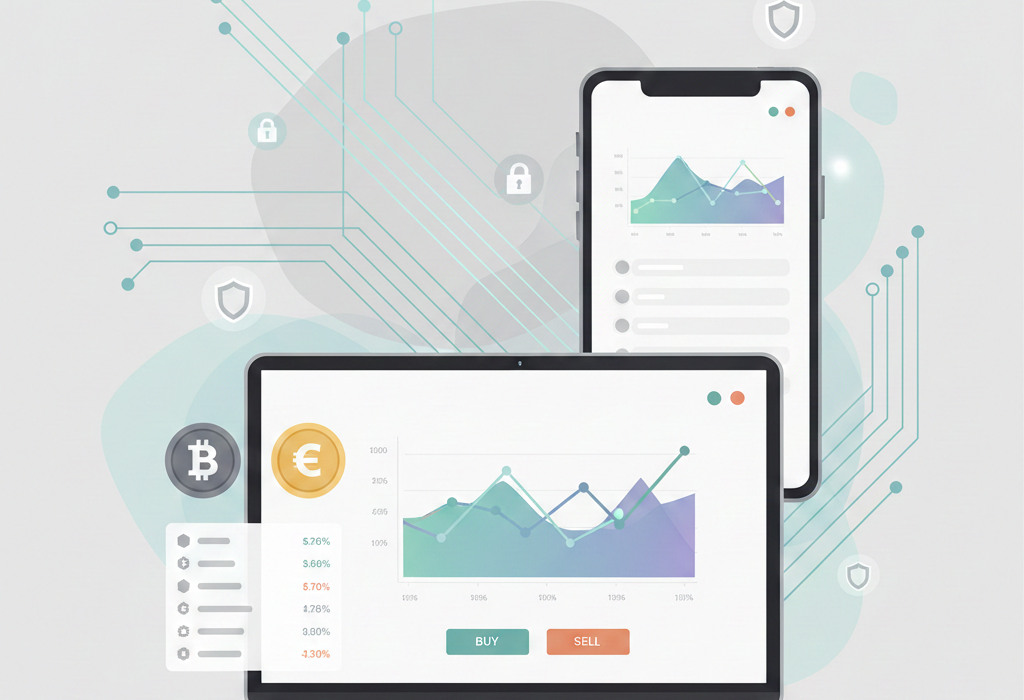
A crypto exchange is often the first place people interact with digital assets, yet many users do not fully understand how these platforms function behind the scenes. While exchanges make buying and selling cryptocurrencies simple, their structure, risks, and limitations are frequently overlooked. This article explains how exchanges operate, why they exist, and what general users should understand before relying on them. For a clear, informative explanation of how exchanges operate and what users should know, visit PressRanker.
Understanding the Role of Crypto Exchanges
At its core, a crypto exchange acts as an intermediary between buyers and sellers of digital assets. Instead of individuals searching for trading partners directly, the platform aggregates orders and facilitates transactions in a structured environment. This system allows markets to function smoothly by providing liquidity, price discovery, and transaction efficiency.
Exchanges do not create cryptocurrencies. They simply provide access to markets where these assets are already circulating. The platform’s role is comparable to a marketplace rather than a bank, although the user experience may feel similar.
How a Crypto Exchange Actually Works
When a user places an order on an exchange, the platform does not instantly “buy” or “sell” the asset itself. Instead, it matches that order with another user who is willing to take the opposite position. This matching process is handled through an order book system that lists buy and sell requests at different price levels.
Prices fluctuate based on supply and demand. When more people want to buy than sell, prices tend to rise. When selling pressure increases, prices fall. The exchange simply facilitates this interaction and records the transaction on the relevant blockchain or internal ledger.
Centralized and Decentralized Exchange Models
There are two primary exchange models used today: centralized and decentralized.
Centralized platforms operate under a single organization that manages infrastructure, user accounts, and order matching. These platforms often provide customer support, user-friendly interfaces, and higher liquidity. However, users rely on the platform to safeguard funds and manage security.
Decentralized platforms function differently. They allow users to trade directly from their own wallets using smart contracts. No single entity controls user funds, but liquidity and ease of use may vary. Each model has trade-offs related to control, convenience, and technical complexity.
Custody and Control of Funds
One of the most misunderstood aspects of exchange usage is fund custody. When assets are held inside an exchange account, the user does not directly control the private keys. The platform manages them on the user’s behalf.
This arrangement offers convenience but introduces dependency. If a platform experiences downtime, regulatory issues, or security breaches, access to funds may be affected. Understanding this custody model helps users make informed decisions about how long assets remain on a platform.
Fees, Liquidity, and Market Depth
Exchanges generate revenue primarily through transaction fees. These fees vary based on trading volume, order type, and platform structure. Some platforms charge higher fees for immediate execution, while others incentivize liquidity providers with lower costs.
Liquidity refers to how easily assets can be bought or sold without significantly affecting price. Higher liquidity generally results in tighter spreads and more stable pricing. Market depth, which reflects the volume of orders at various price levels, influences how efficiently large trades are executed.
Security Considerations and Platform Risks
Security is a shared responsibility between the platform and the user. Exchanges typically implement safeguards such as cold storage, encryption, and account monitoring. However, no system is entirely risk-free.
Users may face risks from phishing attempts, compromised credentials, or platform vulnerabilities. Historical incidents show that even well-established platforms are not immune to operational or security challenges. Awareness of these risks encourages cautious usage rather than blind trust.
Regulatory Environment and Compliance
The regulatory status of exchanges varies widely by region. Some operate under strict compliance frameworks, while others function in less clearly defined environments. Regulations can affect user verification requirements, withdrawal limits, and platform availability.
This variation means that access, protections, and dispute resolution mechanisms differ depending on jurisdiction. Regulations may change over time, influencing how platforms operate and what services they can offer. This article provides general information and does not encourage or discourage participation in any specific market.
Common User Mistakes When Using a Crypto Exchange
Many users approach exchanges with unrealistic expectations. One common mistake is assuming platforms guarantee profits or stability. Another is leaving large balances on exchanges without understanding custody risks.
Overtrading, ignoring fees, and reacting emotionally to short-term price movements are also frequent issues. These behaviors often stem from misunderstanding how markets function rather than from technical errors. Learning through observation and measured participation tends to reduce these mistakes over time.
Exchanges Versus Personal Wallets
An exchange account is not the same as a personal wallet. Wallets are tools designed to give users direct control over private keys, while exchanges prioritize accessibility and trading functionality. Many individuals use both, depending on their needs.
For example, some users keep small balances on platforms for active trading while storing long-term holdings in private wallets. This blended approach reflects how convenience and control often exist on a spectrum rather than as absolute choices.
Why a Crypto Exchange Continues to Matter
Despite limitations and risks, crypto exchange platforms remain central to the digital asset ecosystem. They provide access points for new participants, enable price discovery, and support market activity across multiple asset types.
As the ecosystem evolves, platforms continue adapting through improved security practices, clearer disclosures, and expanded educational resources. Understanding how these systems function helps users navigate them with realistic expectations rather than assumptions.
Final Perspective
A crypto exchange is best understood as a tool rather than a solution. It simplifies access to markets but does not remove risk or responsibility. By learning how platforms operate, how custody works, and where limitations exist, users can approach exchanges with clarity instead of confusion.
Education remains the strongest safeguard. When users understand processes rather than relying on surface-level impressions, their decisions become more measured, stable, and informed over time.
FAQs
What is a crypto exchange used for?
A crypto exchange is used to buy, sell, or trade digital assets by matching buyers and sellers on a single platform. It helps users access markets without directly negotiating with others.
Is a crypto exchange the same as a crypto wallet?
No. An exchange focuses on trading and market access, while a wallet is designed to store digital assets and manage private keys. Exchanges may provide wallets, but the purpose is different.
Are crypto exchanges safe to use?
Safety depends on platform security practices and user behavior. While exchanges use protective measures, risks such as account compromise or operational issues can still exist.
Why do prices differ across crypto exchanges?
Price differences occur due to variations in liquidity, trading volume, fees, and regional demand. Markets on each platform operate independently.